Multimodal learning
Inverse-LLaVA
Reverse the usual alignment direction: map text into a pretrained vision space.
45.6% fewer task-training examples than LLaVA-1.5’s two-stage recipe; excludes backbone pretraining.
Read case study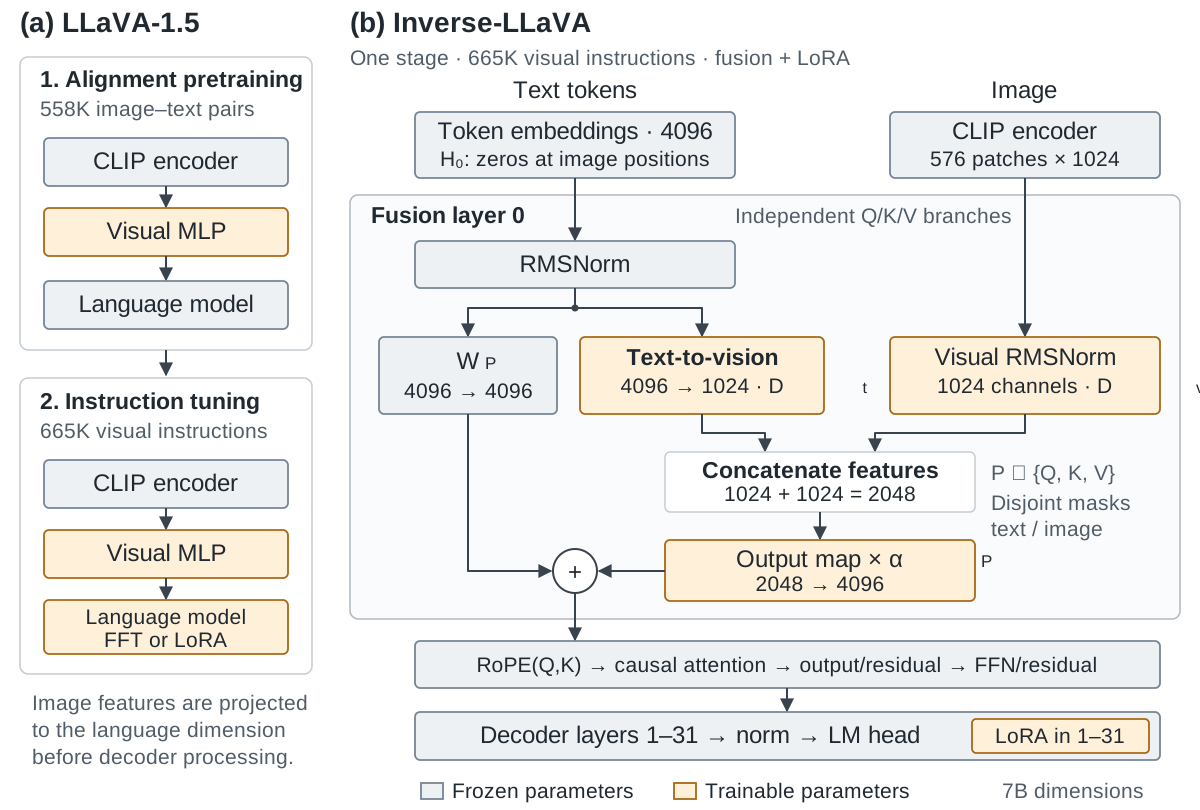
I work across multimodal learning, recommendation, and ML infrastructure, connecting new ideas with systems people can use.
Four projects. One journey from idea to impact.
Selected work
Look inside the work: how models perceive, how systems adapt, and what it takes to make them useful.
Browse all projectsMultimodal learning
Reverse the usual alignment direction: map text into a pretrained vision space.
45.6% fewer task-training examples than LLaVA-1.5’s two-stage recipe; excludes backbone pretraining.
Read case study Recommendation systems
Use bid and purchase history while limiting personalization when evidence is weak.
Evidence-aware ranking Bid-aware retrieval, guarded model updates, and a production A/B test.
Read case study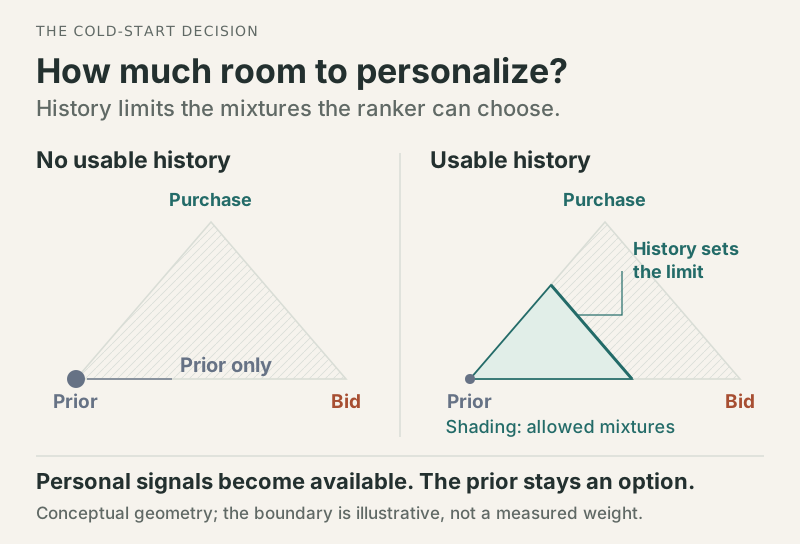
Language & human behavior
An LLM pipeline turns negotiation transcripts into structured evidence for behavioral research.
$5,000 → $3 estimated annotation cost per transcript in the reported study.
Read case study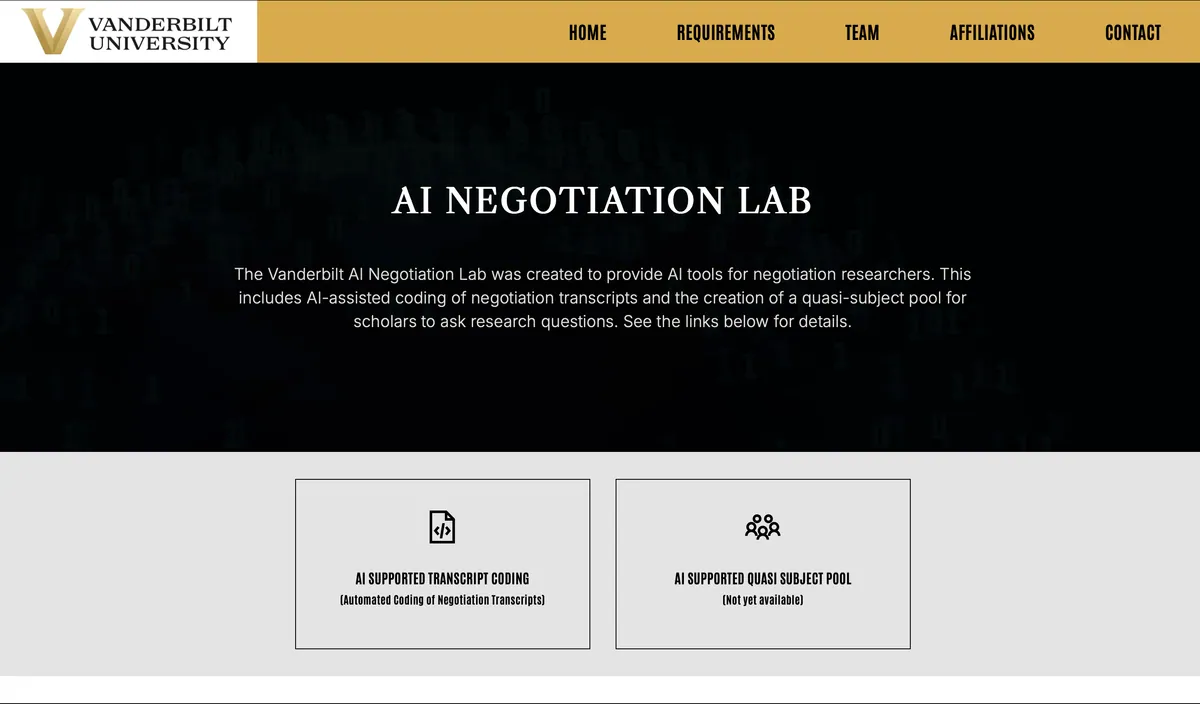
ML infrastructure
Shared delivery, monitoring, and rollback, with a runtime suited to each workload.
Cloud to edge Infrastructure, artifacts, and deployment state stay independently reviewable.
Read case study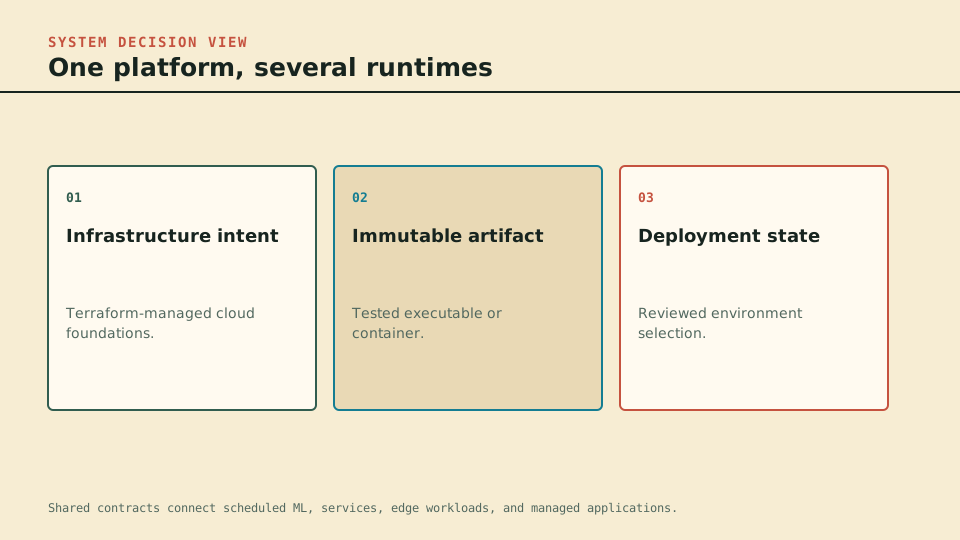
02 / How I work
A useful model is only part of the story. I follow the question through evaluation, deployment, and what the system teaches us next.
Method / 05
Each stage opens the project that best demonstrates it.
Ancient Mortars structures roughly 10 million particle images for comparison.
Inverse-LLaVA maps text into visual space inside the language model.
Negotiation transcript coding reports a cost drop from more than $5,000 to $3.
FORGE defines six contracts across distinct ML runtimes.
Treverse joins controlled exposure with reproducible learning and serving.
03 / Experience

I’m Xuhui, an applied scientist at Treverse. My path connects academic research with the everyday challenges of building AI products.